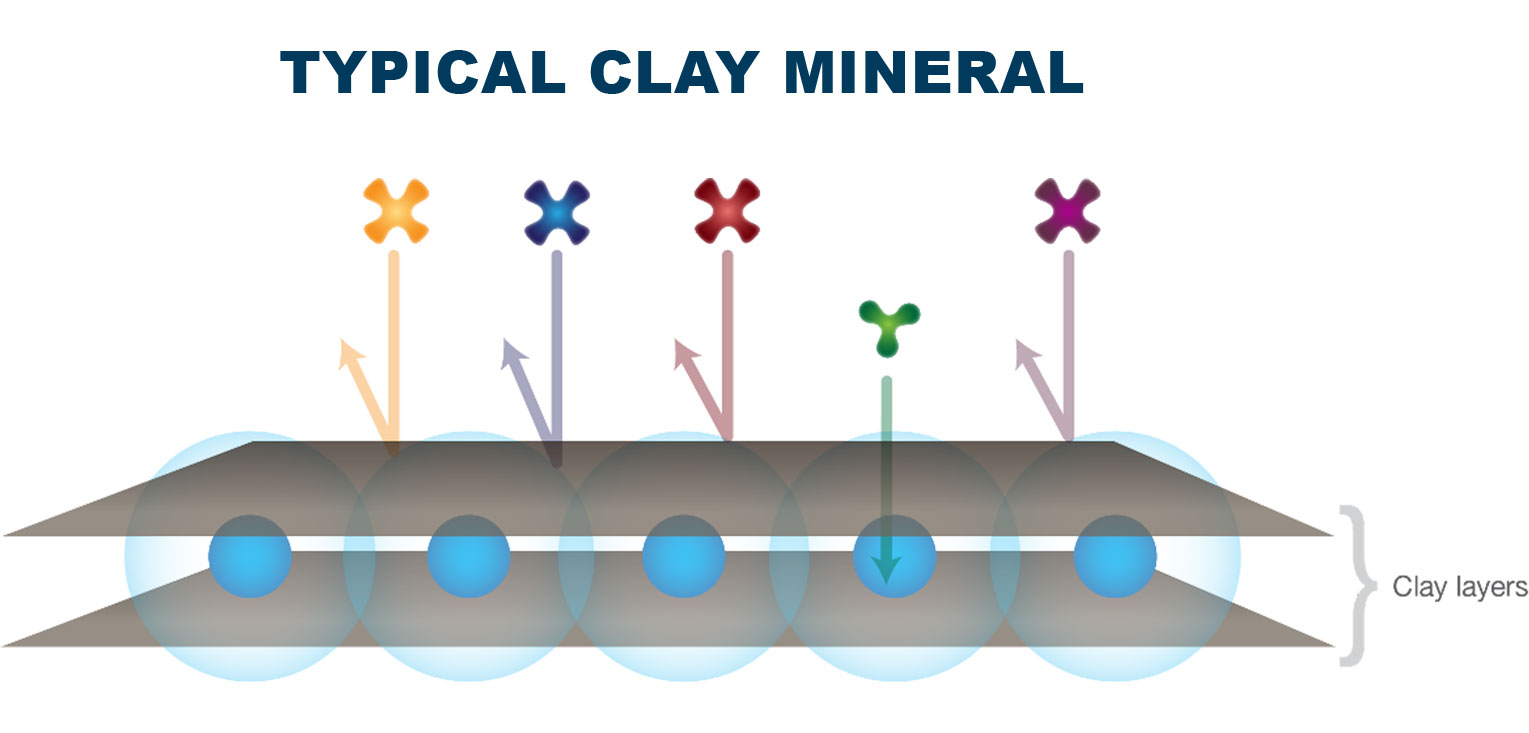
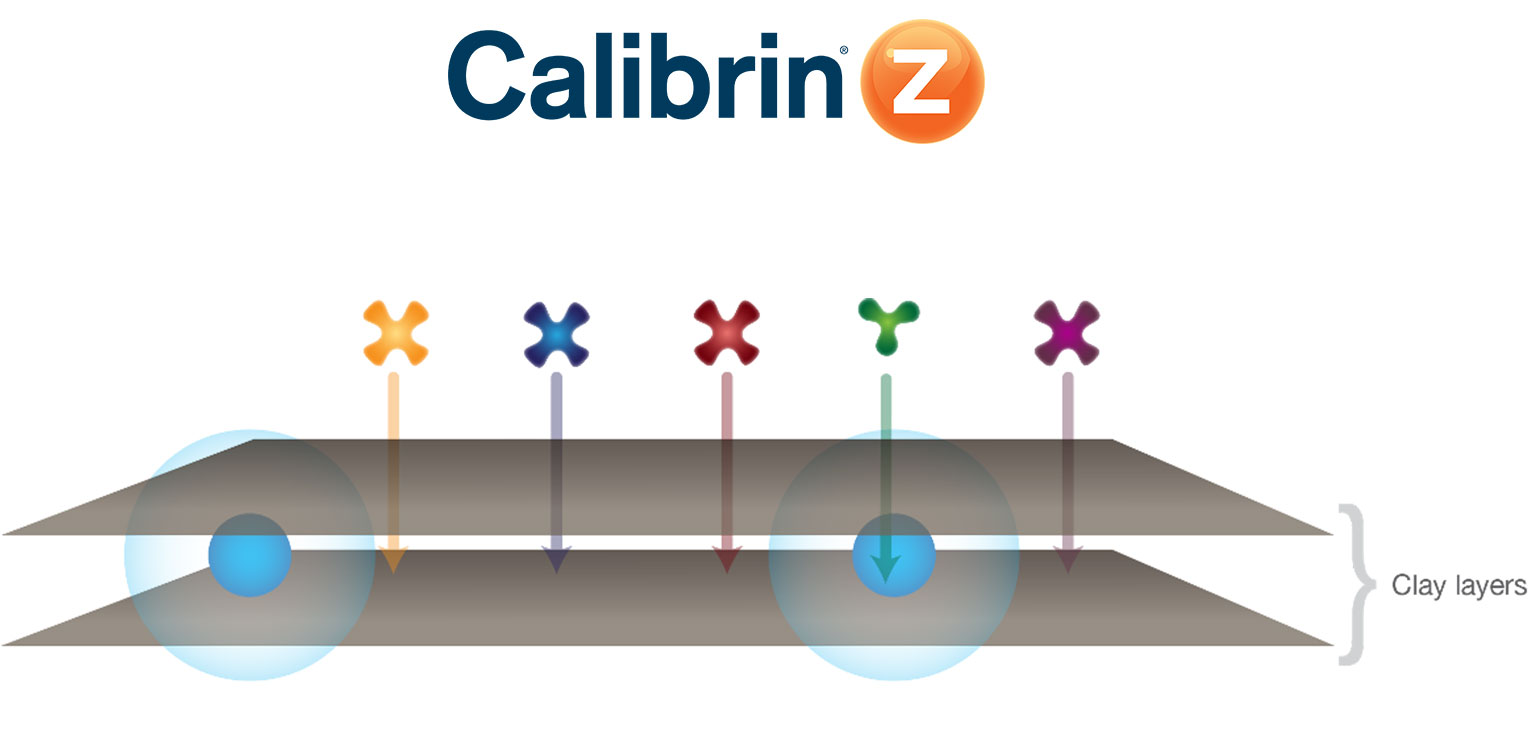
Early academic research in the 1980s first showed the efficacy of clay minerals to adsorb mycotoxins. All clay minerals contain water molecules which make the pores and surfaces hydrophilic and therefore attractive for binding hydrophilic mycotoxins such as aflatoxin. In 2009, Amlan International developed a proprietary processing technique that eliminates most water molecules from our mineral, making it more hydrophobic. This is a necessary characteristic for mineral surfaces to bind hydrophobic mycotoxins such as zearalenone, fumonisin, Ochratoxin and T-2, in addition to binding aflatoxin. The unique characteristics of Amlan’s mineral technology is also the reason why it is able to adsorb the toxins produced by pathogenic bacteria.
We have nearly 80 years of expertise in selecting, mining, and processing specialty minerals in ways that can remove very specific contaminate molecules from a variety of fluids found in the agribusiness market (including intestinal fluid).
Mineral Activation

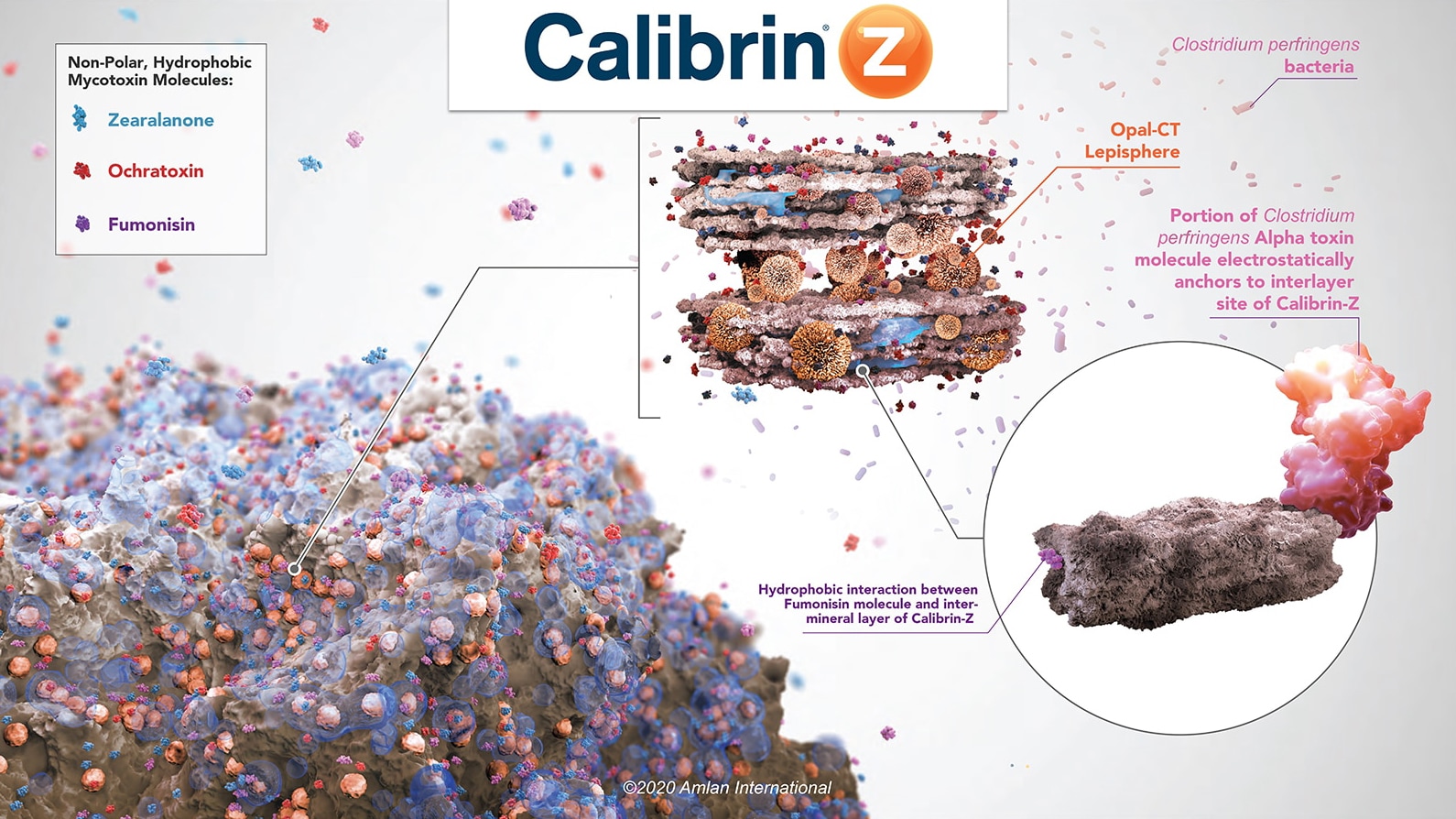
In Vivo Binding Performance
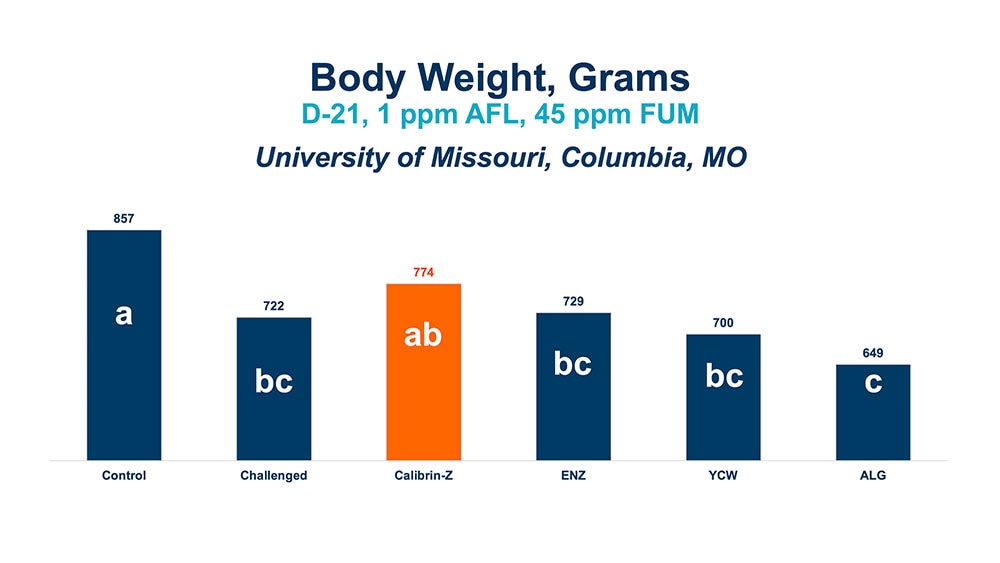
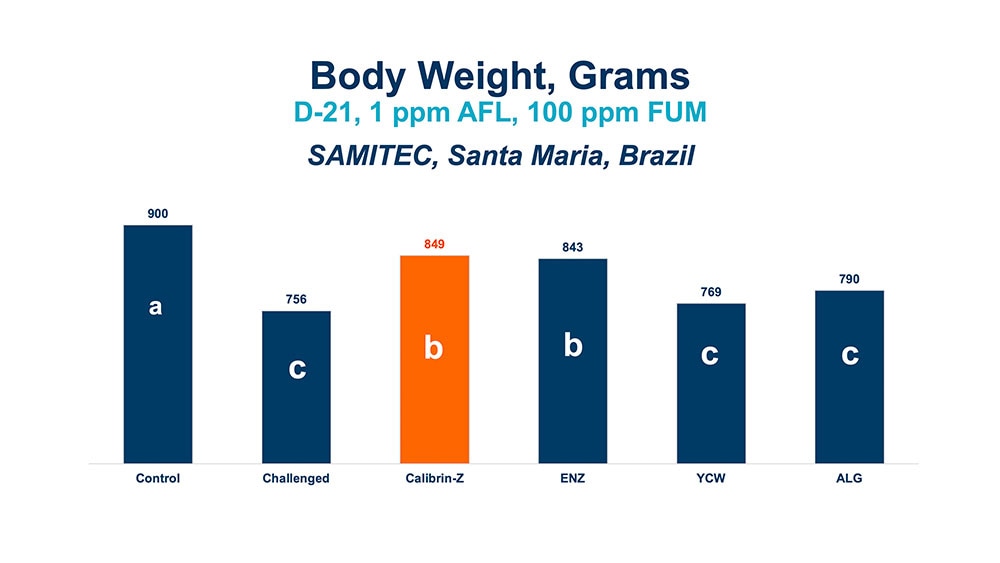
When Calibrin-Z was added to broiler diets contaminated with both AFL and FUM, birds fed Calibrin-Z consistently outperformed the other mycotoxin control products tested.
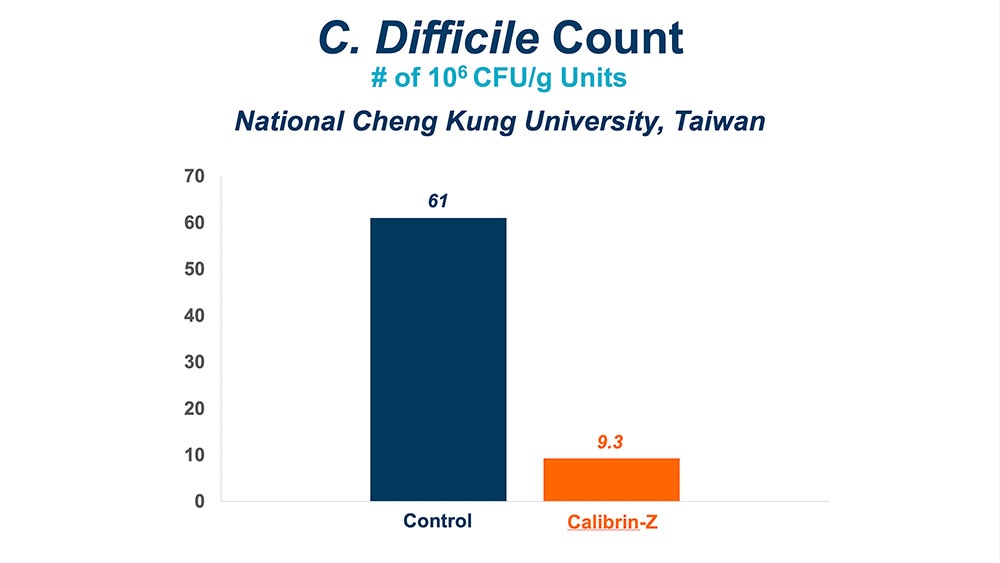
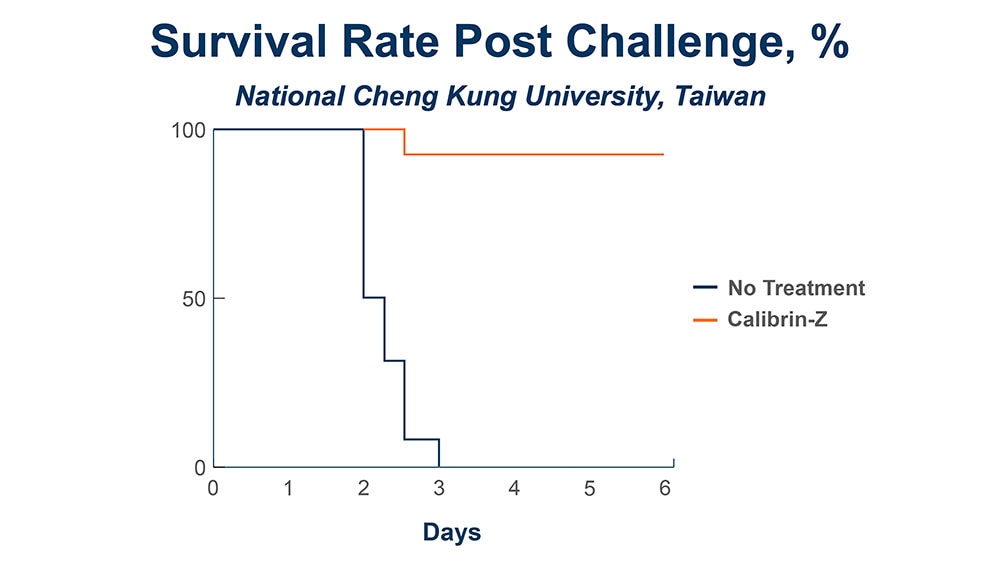
More than 90% of the mice challenged with Clostridium Difficile and fed our unique mineral, Calibrin-Z survived after 3 days of challenge and maintained that level of survivability. This was directly related to the dramatic reduction (85%) in fecal bacterial counts as the mineral adsorbed the pathogens and they safely passed through the mice.
In vitro binding performance
Fungal Toxins

Calibrin-Z consistently adsorbs high levels of fungal toxins commonly found in animal feed.
Bacterial Toxins
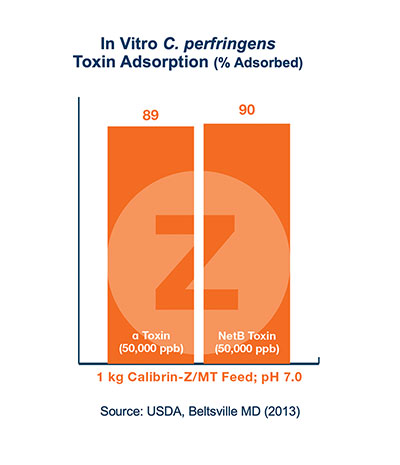
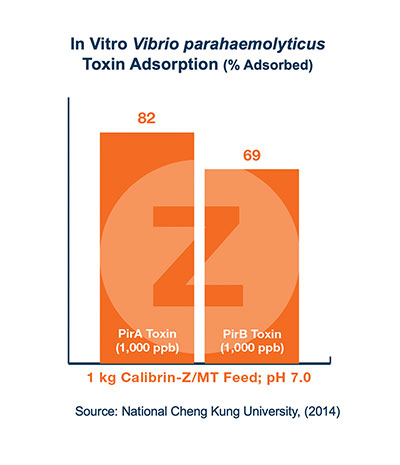
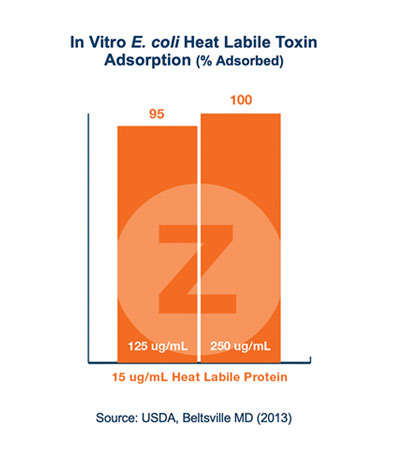
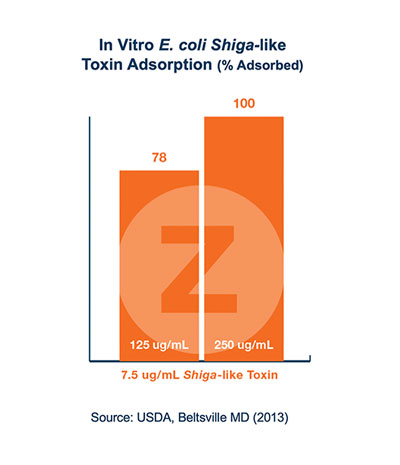
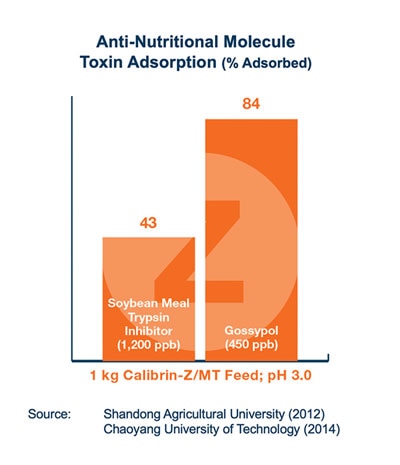
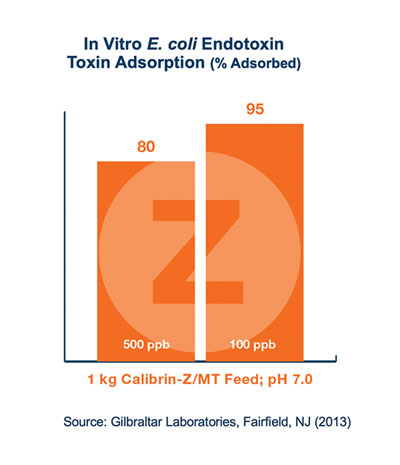
Calibrin-Z adsorbs a wide range of protein and lipid bacterial toxins, the most complete protection in the industry.
To participate in Amlan’s next educational workshop or to learn how our mineral technology can protect protein production, enter your information below.
You may have heard that minerals not only bind mycotoxins, but they also bind important vitamins and nutrients in the diet of livestock. The concern is that the highly active binding sites of minerals are “blind,” and therefore bind a whole range of harmful and beneficial molecules. Similar misinformation is that some mycotoxin control products, such as enzymes, yeast cells, or algae based, do not bind vitamins and nutrients because they contain different technology. Of course, these statements are not based on scientific evidence. In fact, ALL mycotoxin control products sold today contain clay minerals in the range of 45 – 55% of the formula by weight. If clay minerals truly bound vitamins and nutrients, then all commercial products, regardless of mode of action, bind vitamins and nutrients.
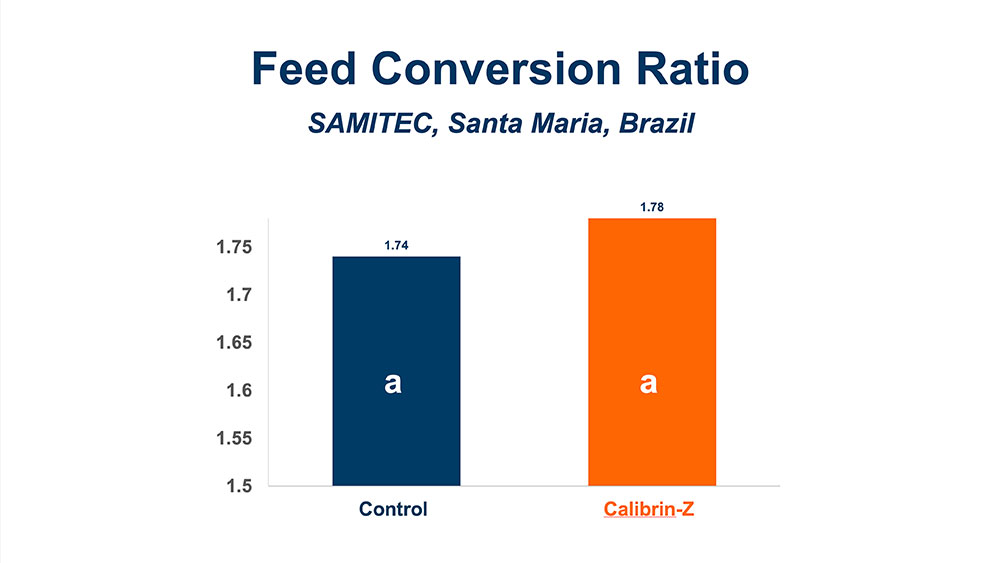
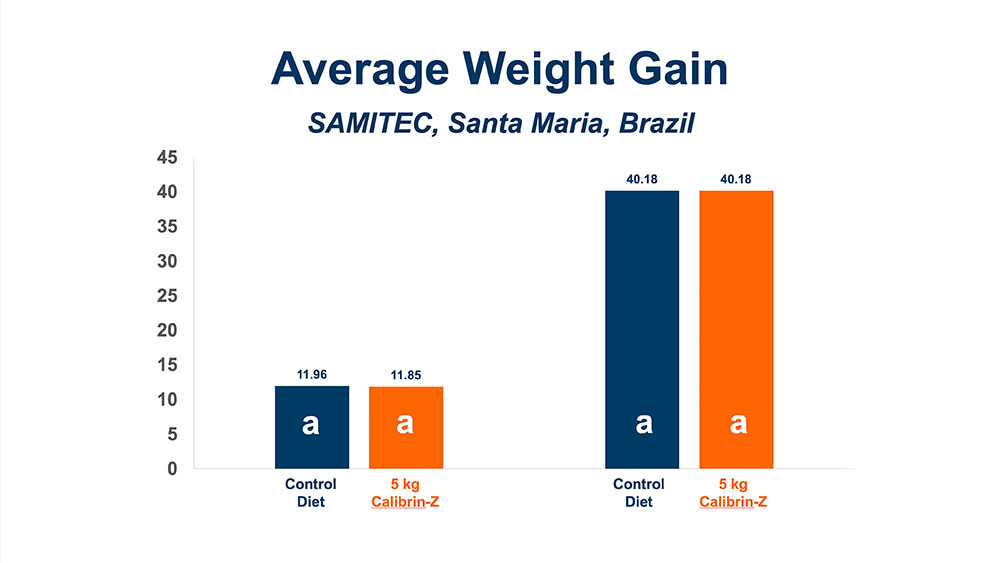
The truth is found in the data. Amlan’s Calibrin-Z was included at a level 10 times (5 kgs) the minimum dose in a swine performance study where the control diet contained commonly used vitamins and minerals. The results indicate that even at a high inclusion, Calibrin-Z's mineral technology had no adverse effect on growth performance or FCR.
To participate in Amlan’s next educational workshop or to learn how our mineral technology can protect protein production, enter your information below.